Module 5
|
30 mins

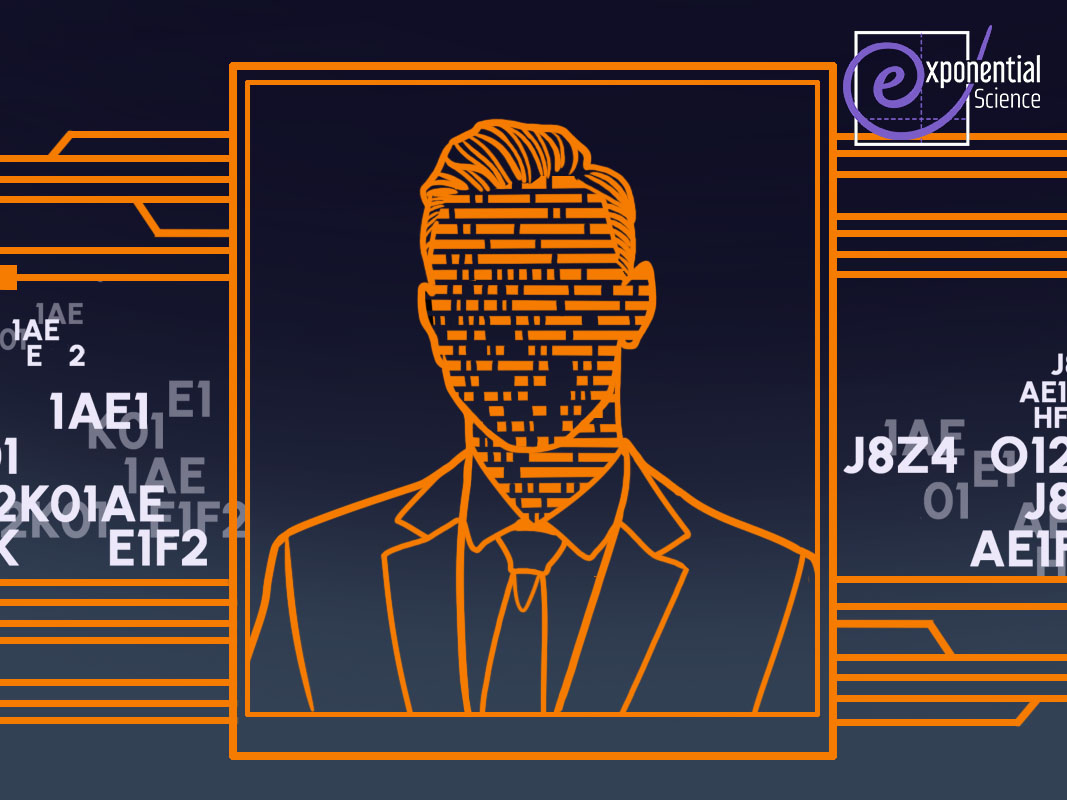
Digital Identities

Oops! Something went wrong while submitting the form.
Complete the Course & Get Certified
Module 3
30 mins

Quantum computing

Professor

Prof. Paolo Tasca

The Digital Identities Course is taught by Prof. Paolo Tasca, digital economist, Co-founder and Executive Chairman of Exponential Scienceand experienced blockchain entrepreneur and advisor to global institutions, including the United Nations and central banks.

What you’ll learn

01
What is digital identity and why it matters?
02
Core components of digital identity systems
03
Centralised, federated and decentralised identity models
04
How SSI works: DIDs, verifiable credentials, wallets
05
The SSI trust triangle: issuers, holders, verifiers
06
Digital identity as a Web3 trust layer
07
Hedera as a decentralised identity infrastructure
08
Biometrics, ethics and current regulatory debates
09
Pros and cons of digital identity systems
10
Real-world applications of digital identity

Key takeaways:

Digital identity is a structured set of attributes used to identify, authenticate and authorise individuals online.
Centralised and federated systems create dependency and concentrate sensitive user data.
SSI gives users control over their credentials through DIDs and secure identity wallets.
The SSI trust triangle enables verification without contacting the original issuer.
Zero-knowledge proofs allow users to disclose only the necessary information.
SSI provides a privacy-preserving trust layer for Web3 ecosystems.
Biometric identifiers bring about significant ethical and regulatory concerns.
Trustworthy identity systems require transparency, interoperability and strong governance.
Published:
12 Aug 2024
Created:
02 Dec 2025
Edited:
12 Aug 2024

Related materials

Interested in learning more from Exponential Science?